
The Best Guitar Theory Books Every Guitarist Should Know About
Whether you’re a beginner, just getting started, or an intermediate guitar player wanting to understand why music works the way it does, music theory is one of the most powerful tools you can add to your guitar toolkit. A good theory book helps you decode the fretboard, master scales and chords, and unlock your creative potential. Below are some of the best books that guitarists love — with a clear breakdown of what makes them special.
1. Music Theory for Guitarists: Everything You Ever Wanted to Know
One of the most well-rounded introductions to music theory from a guitarist’s perspective, this book is great for players at any level who want solid grounding without being overwhelmed.
Why it’s great:
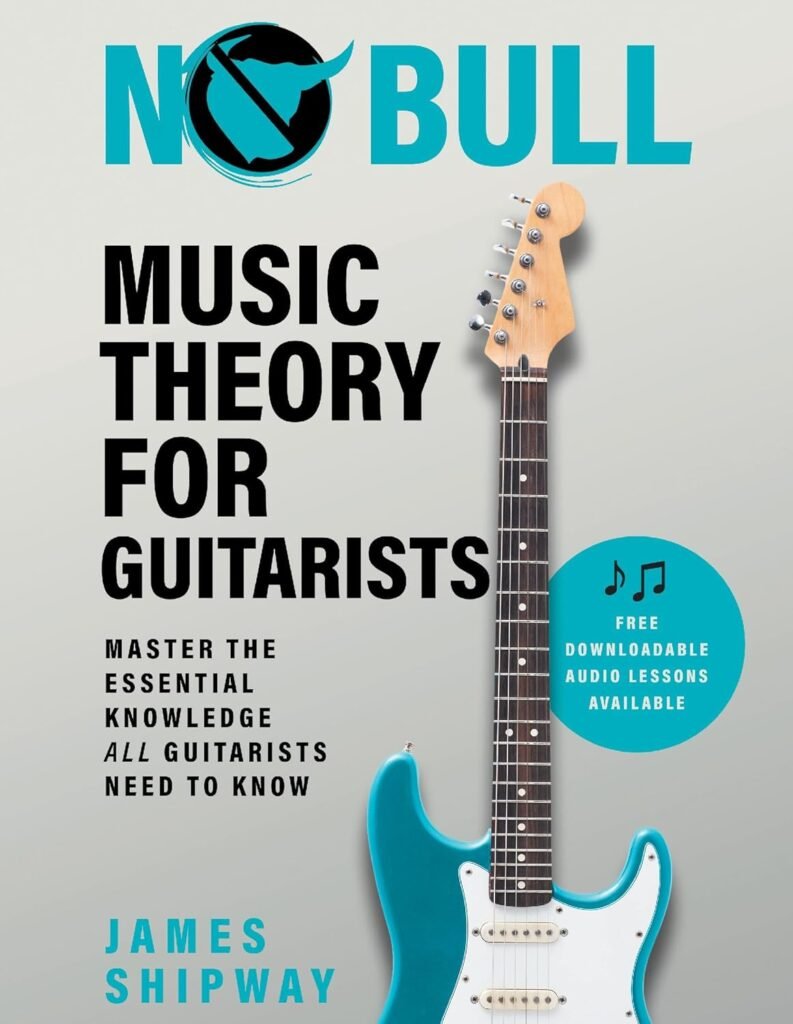
- Uses plain language (no intimidating jargon) to explain how music works on the guitar.
- Covers scales, chords, intervals, modes, ear training, and more.
- Comes with a CD/online audio examples — critical because music theory should sound as much as it reads.
- Perfect for self-taught players who want structured guidance.
Whether your goal is to improvise confidently, write better songs, or jam with other musicians, this book builds a foundation you’ll refer back to for years.
2. The Guitarist’s Music Theory Book
For players who want theory explanations made specifically for guitarists, this book delivers.
Standout features:
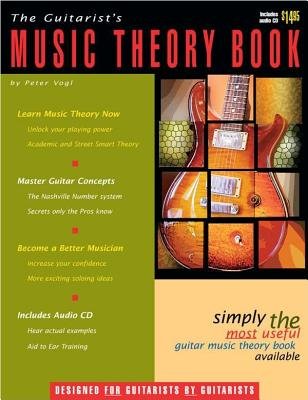
- Explains intervals, scales, chord construction, and progressions relating directly to guitar playing.
- Includes practical examples and audio access so you can hear the concepts in action.
- Well-paced for beginners, but the framing of patterns makes it a useful reference even for intermediate players.
What I like most about this book is it balances guitar-specific application with musical fundamentals — meaning you get both how and why the music works.
3. Guitar Theory For Dummies
Don’t let the title fool you — the For Dummies series often packs a lot of substance while remaining accessible.
Why this is worth your time:
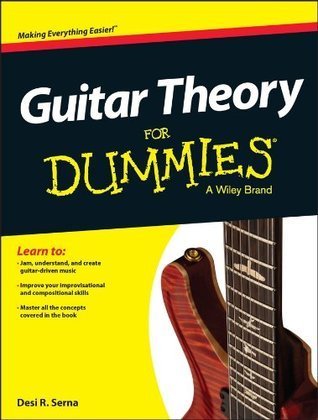
- Very conversational and friendly in tone, which is great for beginners who might be intimidated by “music theory” as a topic.
- Covers the essentials: reading music, scales, modes, chord relationships, progressions, and more.
- Includes online video and audio instruction to reinforce learning.
This one is especially good if you’re a self-starter who likes a supportive teaching style rather than a dry textbook.
4. Guitar Theory: Straight Talking Music Theory for Guitarists
Straightforward and practical, this book focuses on music theory as it applies directly to the guitar without fluff.
What shines about this book:
- Clear explanations with intuitive diagrams and examples.
- Designed to help you translate theory into playing quickly.
- Great companion to your practice routine — you won’t feel lost halfway through!
If your goal is functional understanding that immediately improves your playing, this is a strong choice.
5. 6‑String Logic and Maintenance
Why This Book Belongs on Your Shelf
This is a unique entry on the list because it blends guitar theory with practical maintenance and setup knowledge — something most theory books don’t cover at all. While it’s not a massive tome, what it does pack in is impressively comprehensive.
What makes it special:
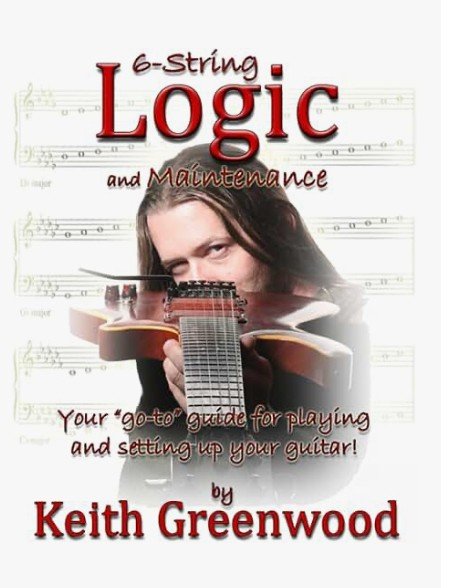
- Teaches intervallic relationships, scales, chords, modes, notation, composition, and technique in a clear, accessible way.
- Includes diagrams, chord charts, and tablature — essential tools for visual learners.
- Links to video demonstrations, so you can see the concepts in motion rather than just read about them.
- Covers guitar maintenance and setup, such as how to adjust your instrument — a practical bonus that helps you maintain your own guitar.
This book is ideal for players who like to understand their instrument deeply — both musically and mechanically. It helps you see the fretboard logically and makes theory feel practical instead of abstract.
Click here to read a more in-depth review of this book
Bonus Titles Worth Considering
Here are additional noteworthy books if you want to explore more advanced or specialized areas of theory:
How to Choose the Right Book for You
Beginner
If you’re new to music concepts, or self-taught, start with something friendly and structured like Guitar Theory For Dummies or Music Theory for Guitarists — they build fundamentals without overwhelming you.
Intermediate
Once you’ve got the basics down, books like The Guitarist’s Music Theory Book help make those ideas applicable to real playing — like soloing, composing, and improvisation.
Holistic Players of All Levels
If you want a wide view of music + instrument understanding, 6-String Logic and Maintenance is a refreshing choice because it goes beyond abstract concepts and ties them back to real guitar playing and care.
Final Thoughts
Music theory doesn’t have to be a mystery, and the right resource can make all the difference in how you play, improvise, create, and understand music. Each of the books above has helped countless guitarists unlock new levels of insight — whether you’re just learning your first scale or diving into advanced harmony.
The best approach? Combine knowledge with practical playing. Music is a language and becomes powerful when you can apply it on the fretboard — so keep your guitar in hand and enjoy the journey!
You May Also Be Interested In:
